Product Positioning
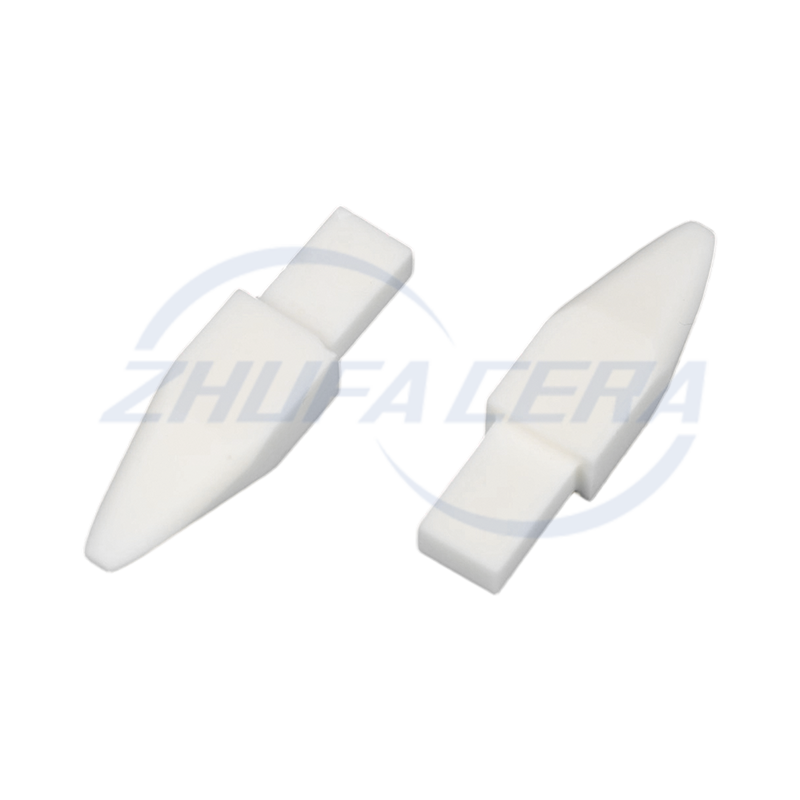
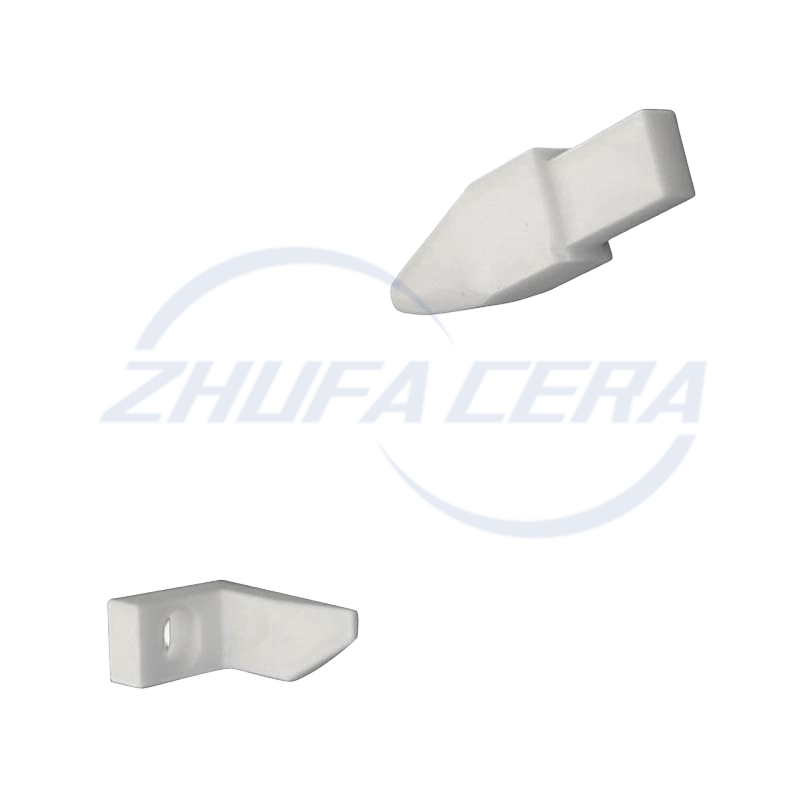
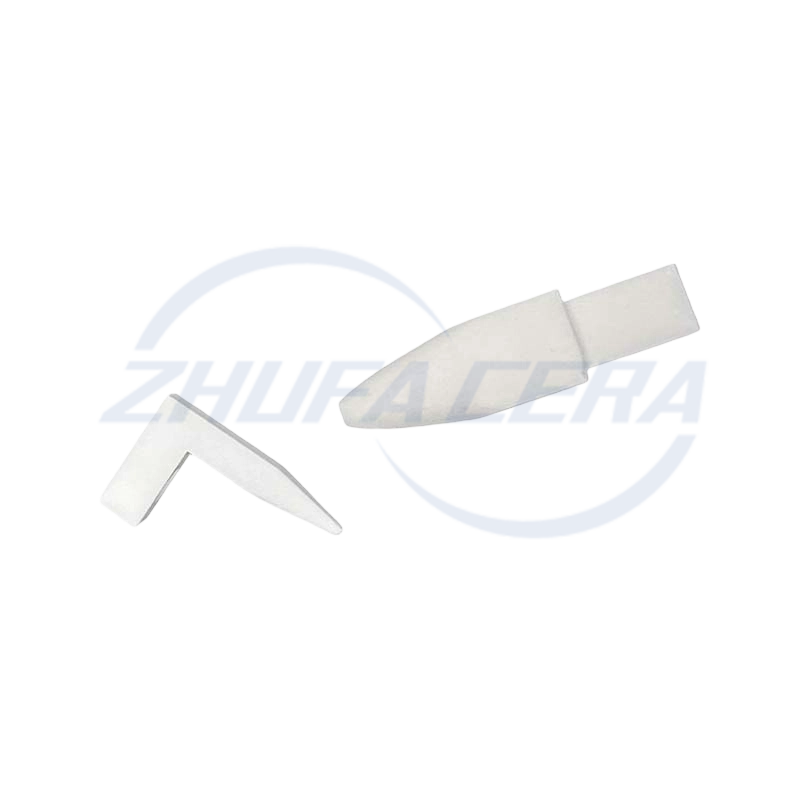
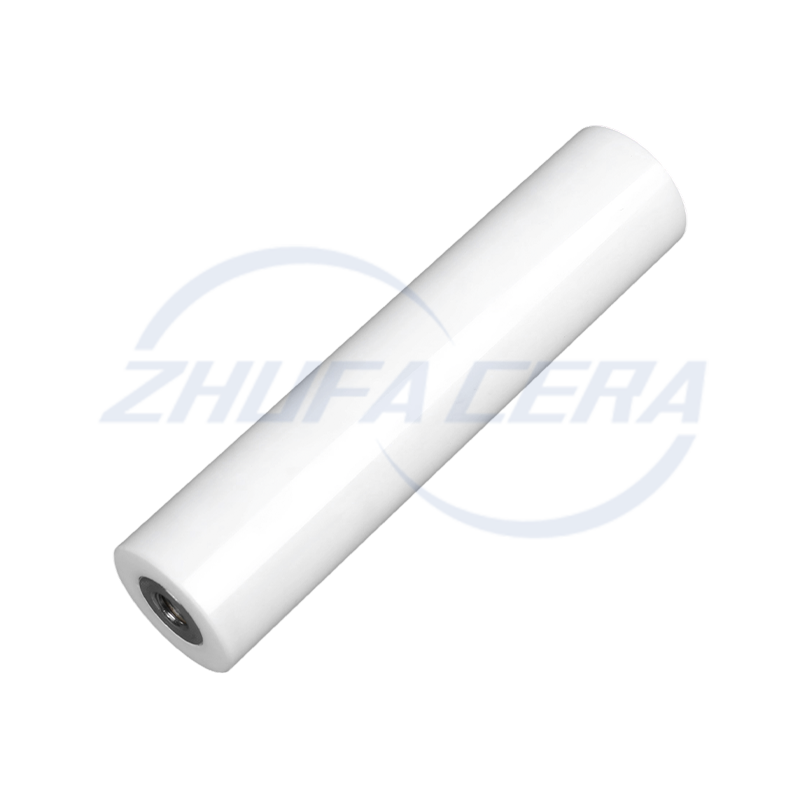
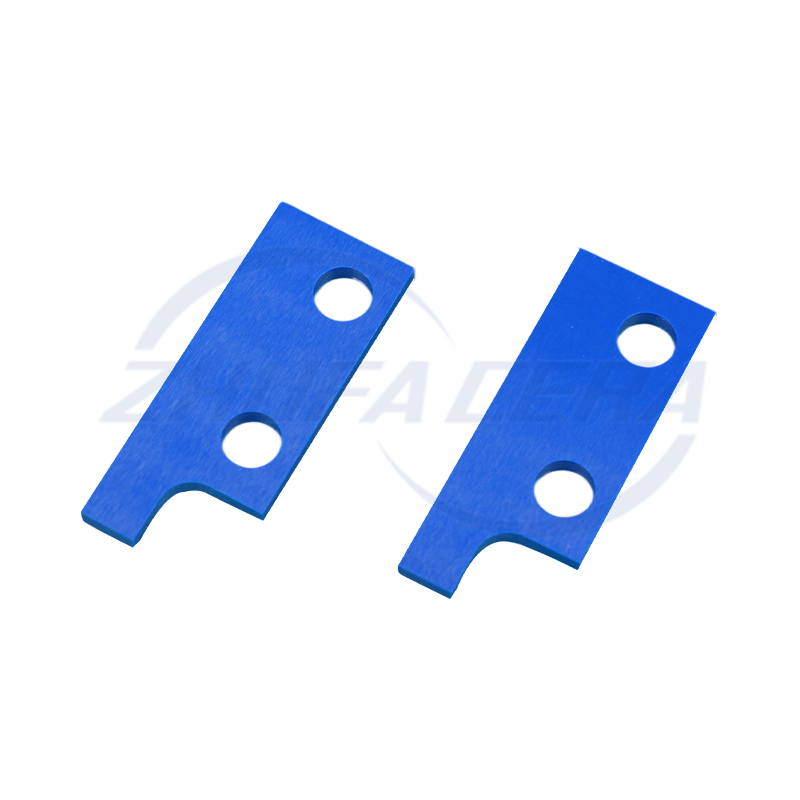
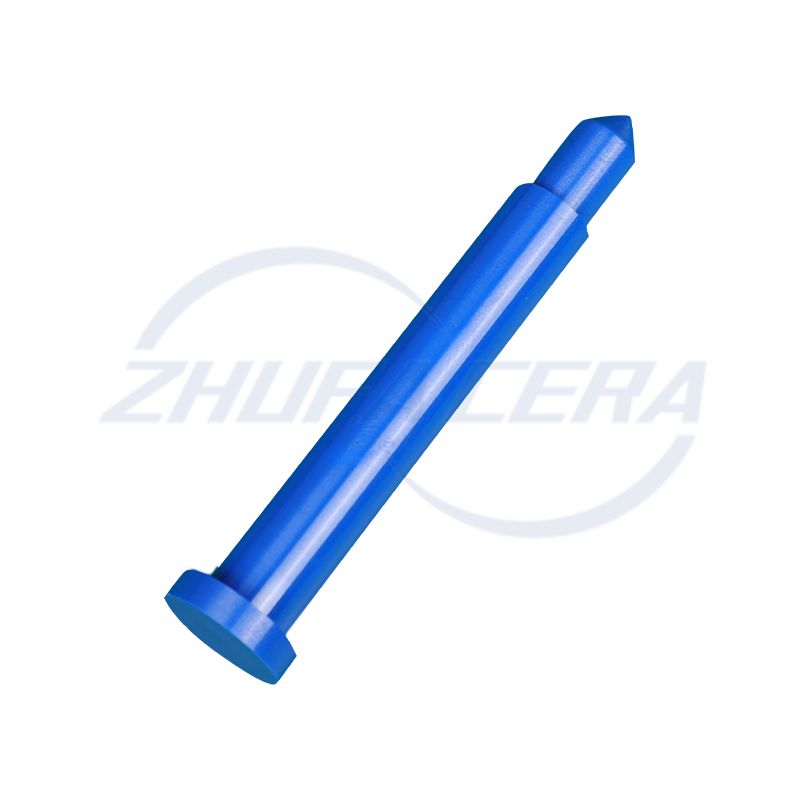
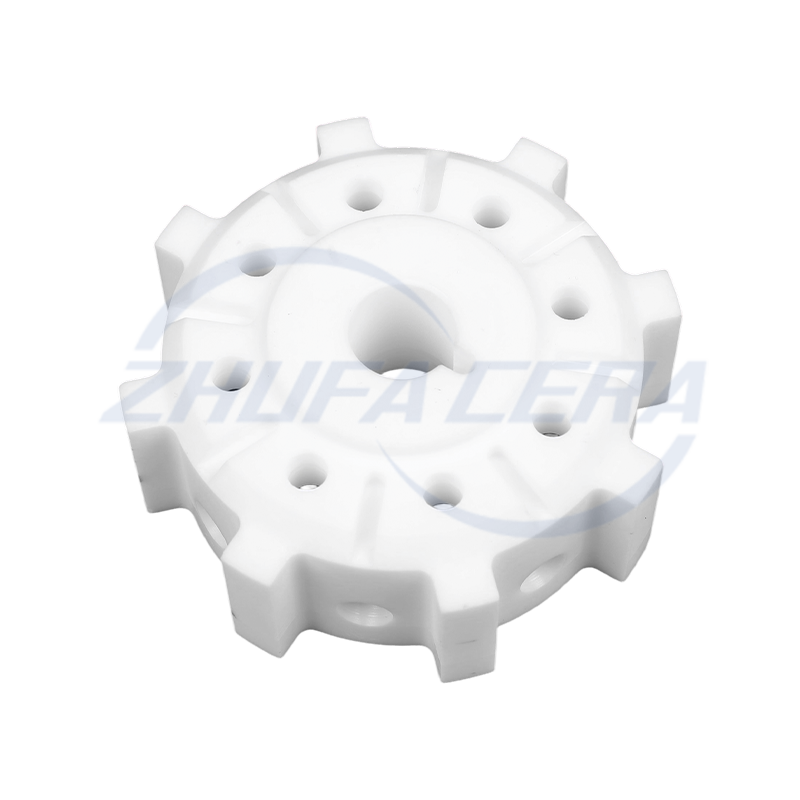
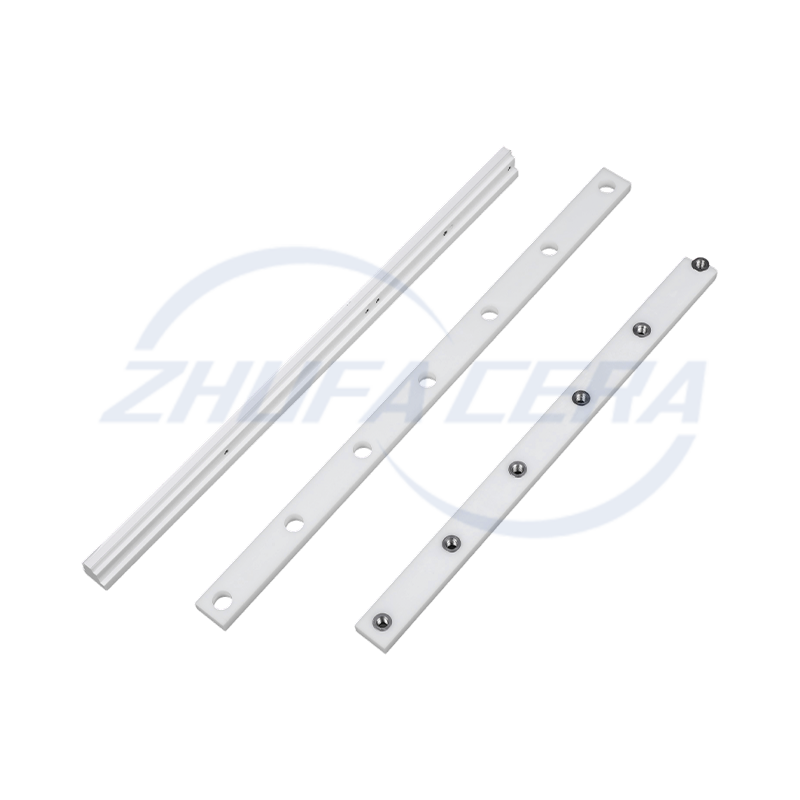
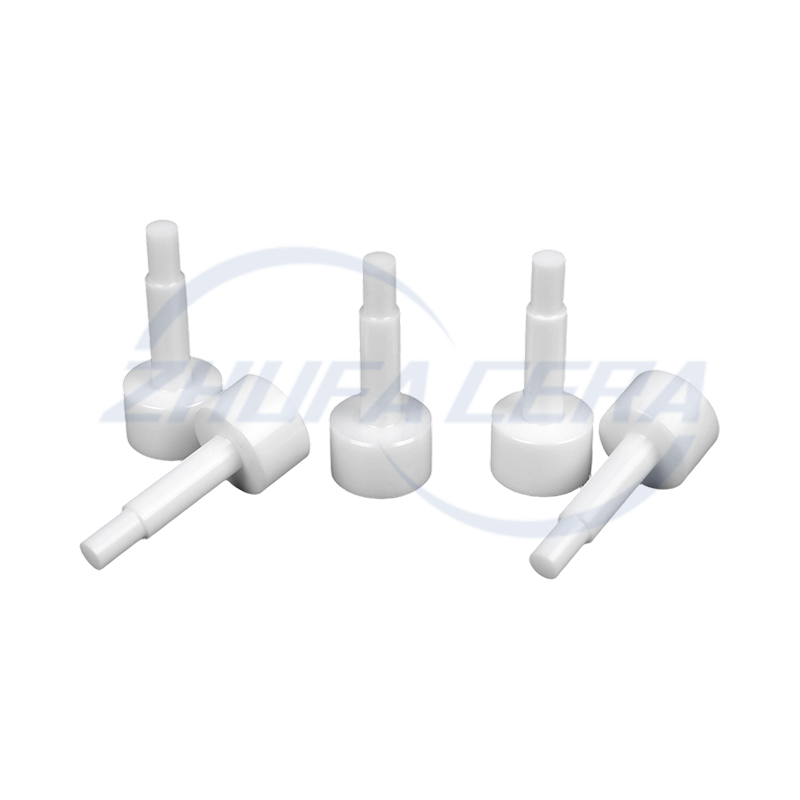
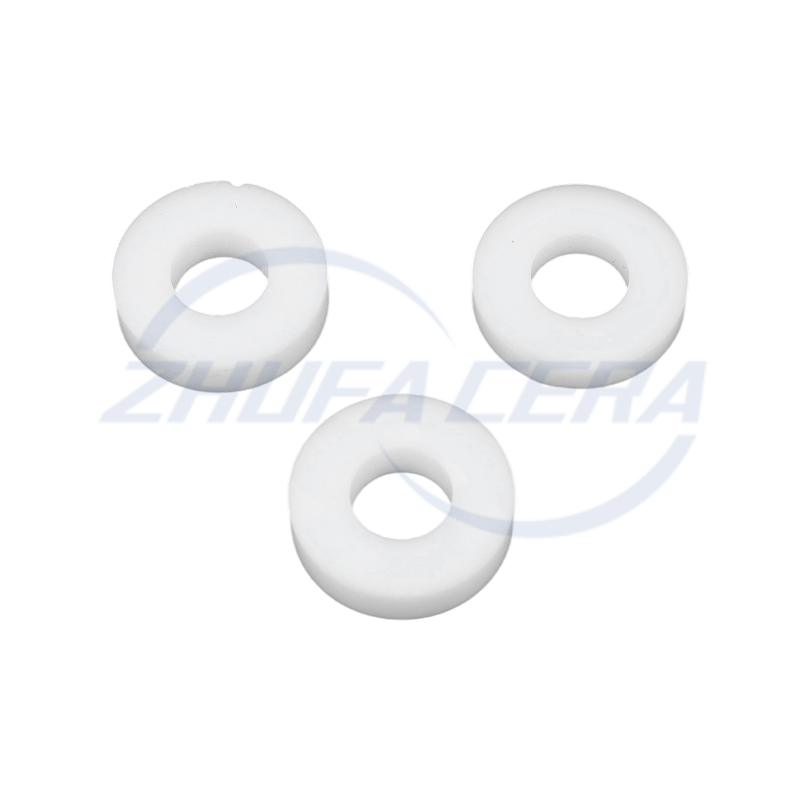
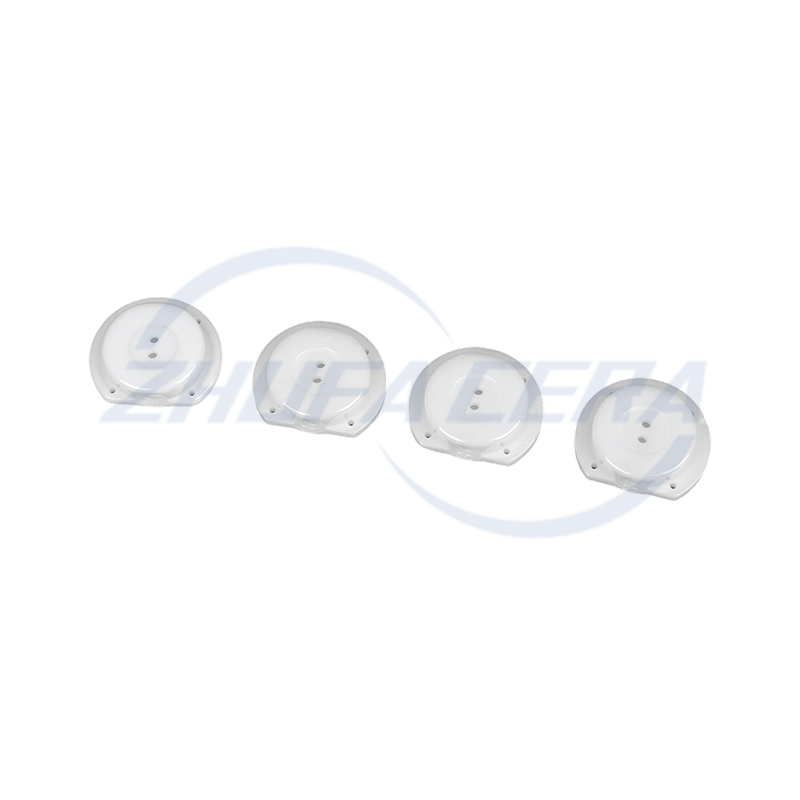
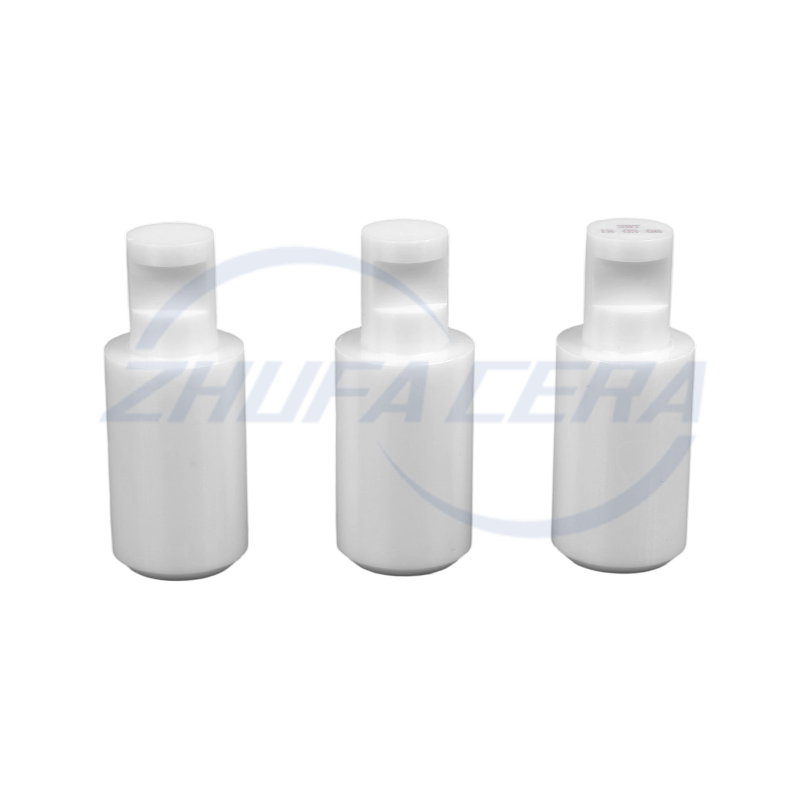
This ceramic component is developed for industrial precision assembly and positioning applications that demand high temperature resistance, extreme wear resistance and superior electrical insulation. Fabricated from high-purity alumina (Al₂O₃) with a precision tapered parallel structure, it is produced via precision forming followed by fine post-grinding. It delivers ultra-hard, heat-resistant and fully electrically insulated terminal and physical isolation solutions for automated machinery, thermocouple sensing, welding positioning, wire guiding and other production processes.
Core Selling Points
1. Ultra-high Hardness & Exceptional Wear Resistance to Greatly Extend Equipment Service Life
Vickers hardness ranges from HV1500 to HV1900, delivering far better wear resistance than conventional cemented carbide and stainless steel.
Its surface resists scratches and abrasion under frequent friction, high-speed wire passing or particle erosion, retaining stable dimensional accuracy during long-term continuous operation.
Customer Benefit: Cut production line downtime and part replacement frequency caused by component wear, minimize maintenance expenses and drastically improve overall operational efficiency.
2. Superior Electrical Insulation with Stable Performance at High Temperatures
It features high volume resistivity (> 10¹⁴ Ω·cm at 500℃) and dielectric breakdown strength ≥ 25 kV/mm. Its insulation performance outperforms zirconia, making it suitable for complex high-voltage and high-current electrical environments.
Key Advantage: Zirconia becomes more conductive at elevated temperatures, while alumina’s insulating properties remain nearly unaffected by heat — this is the core reason alumina is preferred over zirconia for insulating cores. Alumina is the only dependable material for operating temperatures above 800℃.
3. Precision Machined Dimensions Compatible with Fine-gauge Wires
Bore diameters can be machined down to 0.3 mm, matching fine wire gauges such as 24AWG (0.51 mm). Smooth, burr-free inner bores prevent damage to wire insulation jackets.
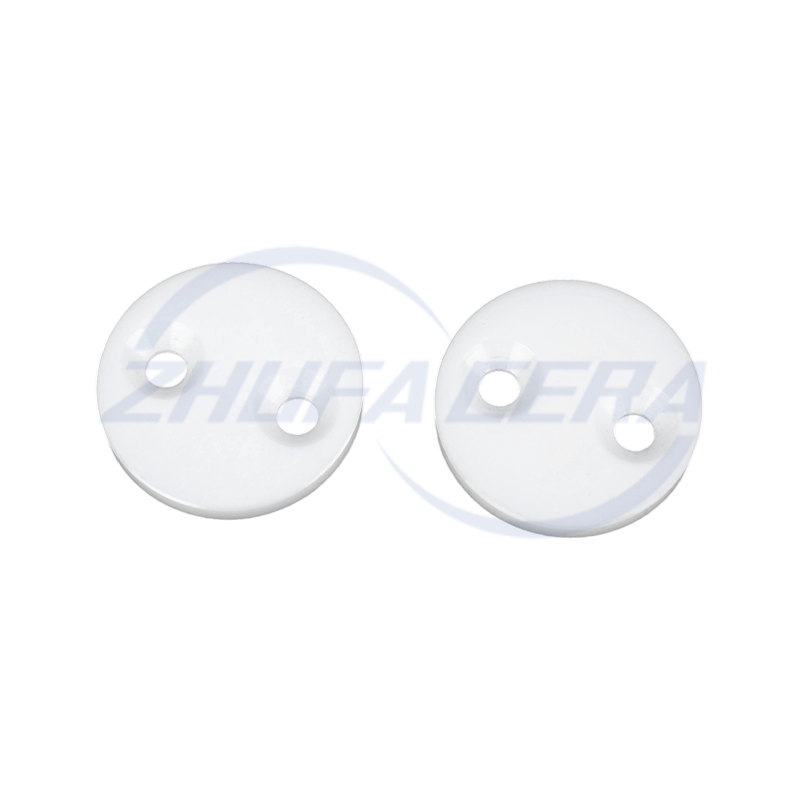
Uniform wall thickness with a minimum thickness controlled at 0.15 mm. Strictly consistent spacing between twin holes ensures symmetrical thermocouple electrodes for higher temperature measurement accuracy.
Customer Benefit: For space-constrained sensor assemblies, the small-bore thin-wall design reduces overall footprint while maintaining equivalent insulation performance, enabling more compact finished equipment.
4. Outstanding Thermal Stability with Heat Resistance up to 1600℃
Manufactured from high-purity alumina (95% / 99%+ Al₂O₃), it supports maximum operating temperatures of 1600–1800℃.
Low coefficient of thermal expansion ensures compatibility with various metals and strong thermal shock resistance. It will not soften or creep under prolonged high-temperature exposure, sustaining excellent dimensional stability.
Customer Benefit: In sustained high-temperature settings including industrial furnaces and glass melting kilns, the insulating core avoids deformation and functional failure from long-term heat exposure, safeguarding sensor service life and consistent measurement precision.
5. Corrosion Resistant with Minimal Maintenance Requirements
High chemical inertness delivers resistance to acids, alkalis and most corrosive gases. It is non-hygroscopic, so insulation performance will not degrade in humid conditions.
Customer Benefit: No routine inspection or replacement is required, resulting in extremely low maintenance costs.




 English
 русский
 Español
 عربى
عربى Português
 日本語
日本語 한국어
한국어